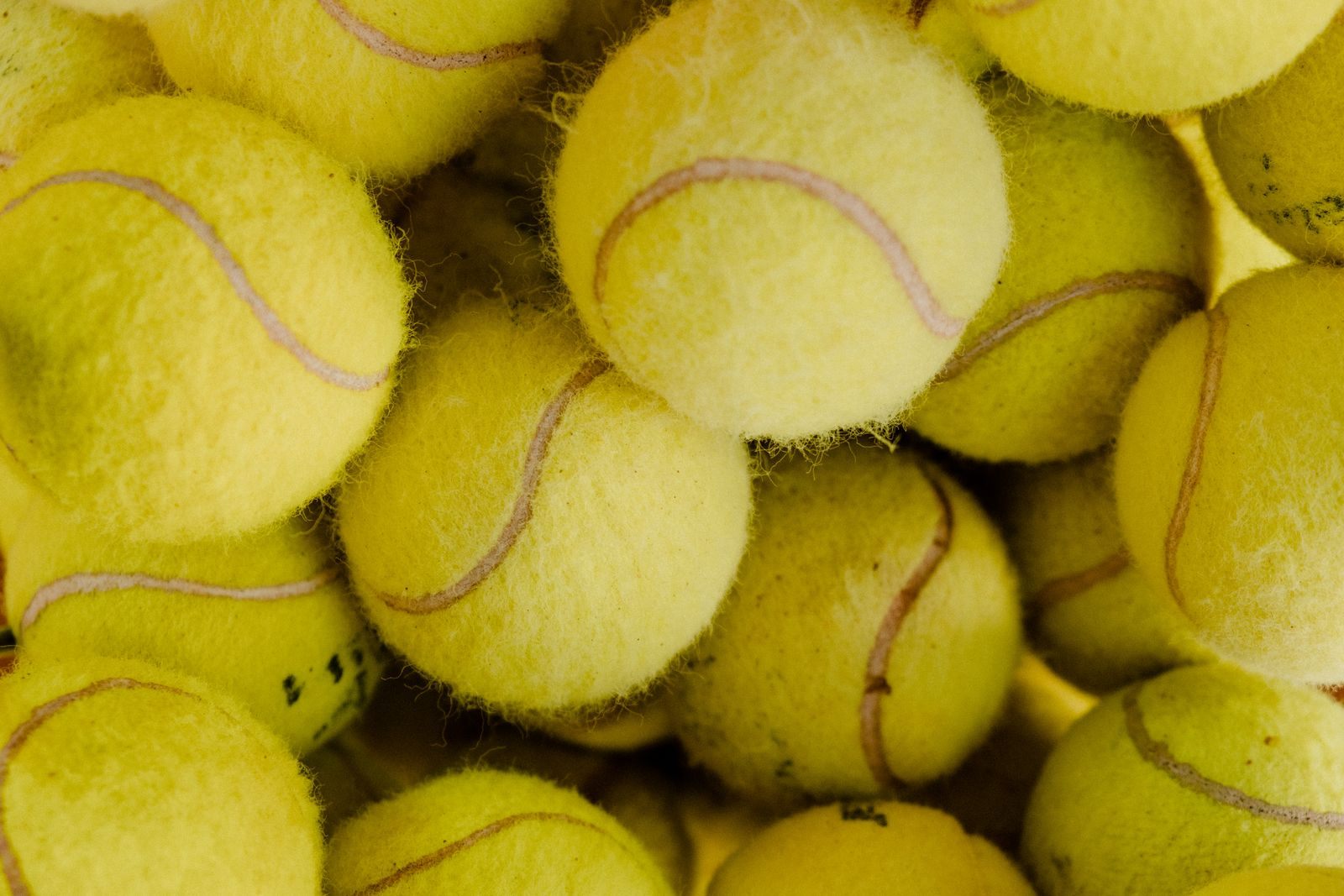
Tennis Balls Explained
Why not all yellow balls are the same, and which ones you should be using.
ITF Rules of TennisTennis balls look identical on the shelf, but there are real differences in pressure, speed, felt and intended surface. Picking the right ball makes practice more consistent and matches play fairer.
Pressurized vs Pressureless
| Type | How it works | Best for |
|---|---|---|
| Pressurized | Hollow core filled with air above atmospheric pressure; sealed in a pressurized can | Match play and regular hitting; lively feel |
| Pressureless | Solid rubber core gives the bounce; no pressurized can needed | Ball machines, practice baskets and occasional players |
ITF Ball Types
The International Tennis Federation (ITF) approves balls in several classes. The names can seem backward at first:
- Type 1 (fast): made for slower court surfaces such as clay.
- Type 2 (medium): the standard ball for most play.
- Type 3 (slow): a larger ball made for fast surfaces; also permitted and recommended for play at high altitude.
- High altitude: balls made for play above 1,219 meters (4,000 feet), where thinner air makes standard balls fly faster.
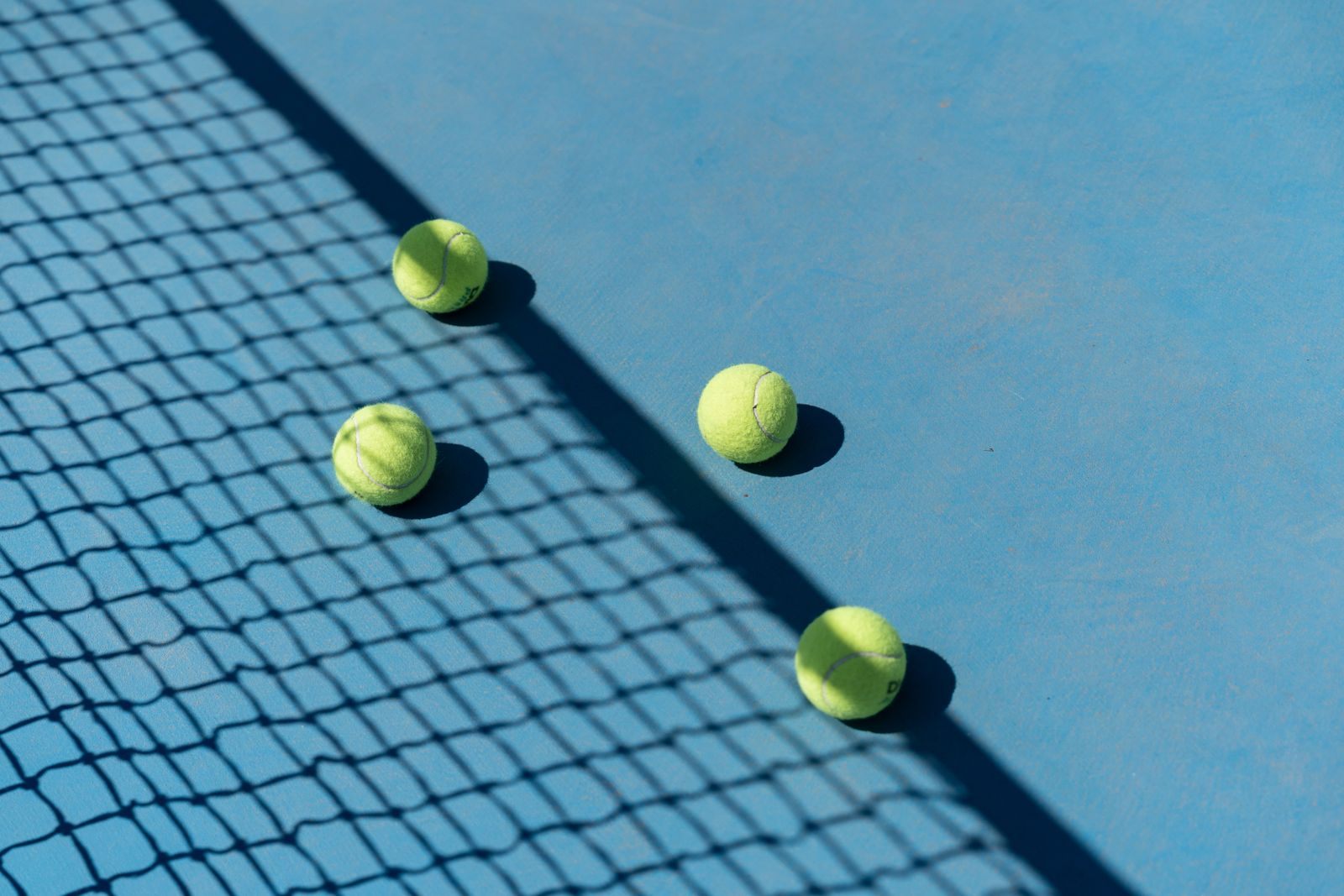
Balls are also sold as “regular duty” felt for softer courts and “extra duty” felt for abrasive hard courts, where thicker felt lasts longer.
Getting the Most From a Can
- Open pressurized cans close to when you will play; they start losing pressure as soon as the seal breaks.
- Retire balls that feel soft when squeezed or bounce noticeably lower than a fresh one.
- Keep match balls and practice balls separate so you always have a lively set for games.
- Store balls at room temperature; heat and cold both change how they play.
- Used balls make good practice balls for kids, dogs or ball machines that accept them.
For ball machines and practice baskets, many coaches prefer pressureless balls because they keep a consistent bounce for months, even if they feel a little heavier off the racquet.
Leagues and tournaments usually specify the ball, so check before buying in bulk for competitive play.
Balls for Children
Red, orange and green balls are slower and bounce lower than yellow balls. The ITF has described red as about 75% slower than yellow, orange about 50% slower and green about 25% slower, and since 2012 ITF rules require them in competition for players aged 10 and under. See our kids’ tennis equipment page for matching racquets and courts.
Frequently Asked Questions
How long do tennis balls last?
Pressurized balls start losing bounce once the can is opened and are often flat after a few sessions. Pressureless balls keep their bounce longer but can feel heavier.
Are all yellow tennis balls the same?
No. Under ITF rules there are Type 1 (fast), Type 2 (medium) and Type 3 (slow) balls, plus balls made for high altitude. Most recreational play uses Type 2.
Read the ITF’s Rules and Equipment Pages
The ITF sets the Rules of Tennis, including ball and racquet specifications.
Visit the ITF